Maryland to DC Commuting: Where Every Route Has Its Own Personality
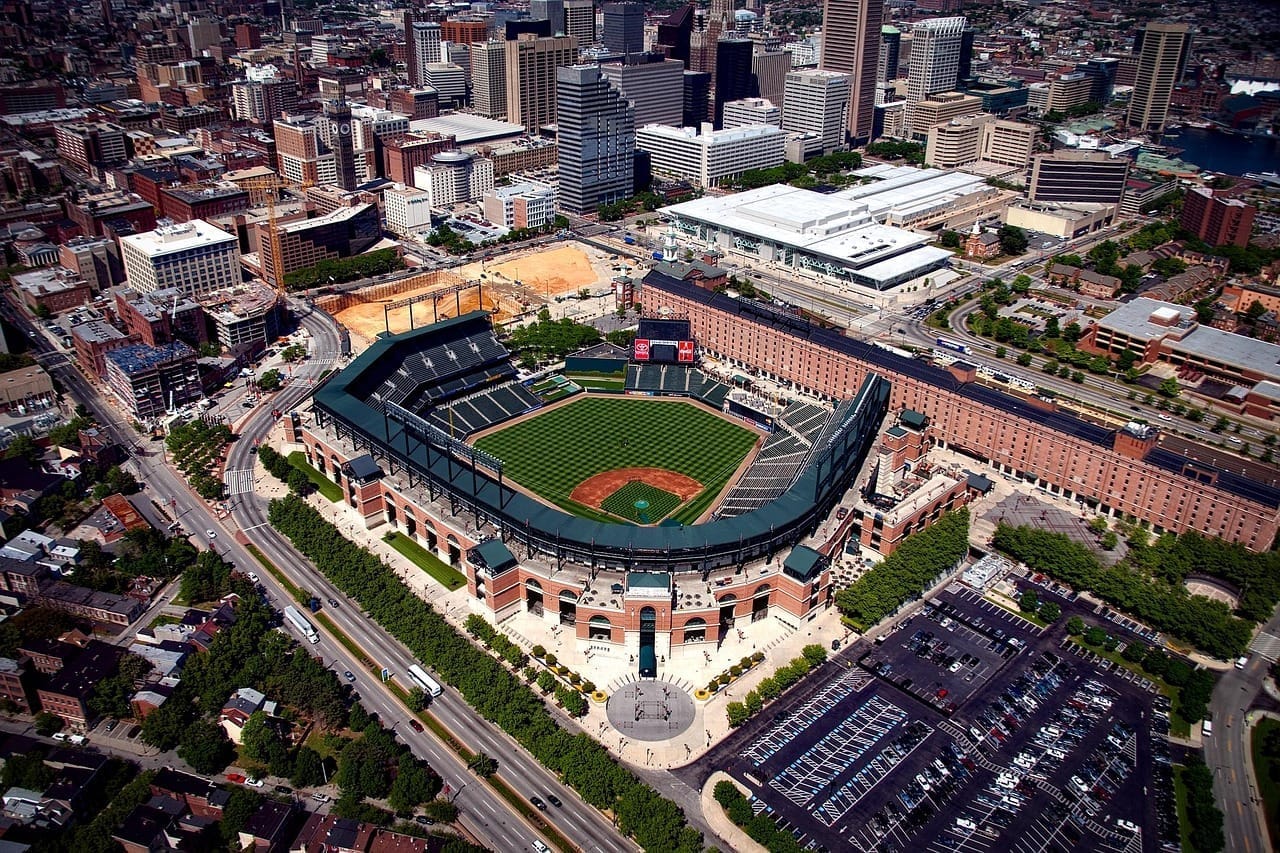
Maryland commuters to Washington DC don't just deal with traffic—they navigate an entire ecosystem of distinct commuting corridors, each with its own rhythm, challenges, and loyal following. From Frederick's I-270 corridor to Baltimore's MARC train routes, from Annapolis's notorious Bay Bridge crossings to the suburban sprawl of Gaithersburg, Maryland offers a commuting experience as diverse as its geography.
What makes Maryland commuting unique is how dramatically your experience changes based on which corridor you choose. The Frederick commuter enjoys relatively predictable highway travel until hitting the Capital Beltway bottleneck.
The Baltimore-area professional might swear by MARC's Brunswick or Penn Lines for their scenic, stress-free train rides along the Potomac. Meanwhile, the Annapolis commuter has mastered the art of timing Bay Bridge crossings to avoid the weekend beach traffic that can turn Route 50 into a parking lot.
Each Maryland commuting corridor has developed its own culture and wisdom. Seasoned I-95 travelers know exactly which lanes move fastest through different construction zones.
Route 32 veterans understand the seasonal patterns that affect their journey through Howard County. Even the Beltway, much-maligned as it is, has its secrets known only to those who've spent years learning its moods and timing.
The beauty of Maryland's commuting landscape lies in its alternatives. When your primary route becomes problematic, you often have genuine backup options.
The BW Parkway provides a scenic alternative to I-95's congestion. MARC offers a civilized alternative to highway stress. Even lesser-known routes through Montgomery and Prince George's counties can save the day when major arteries become clogged.
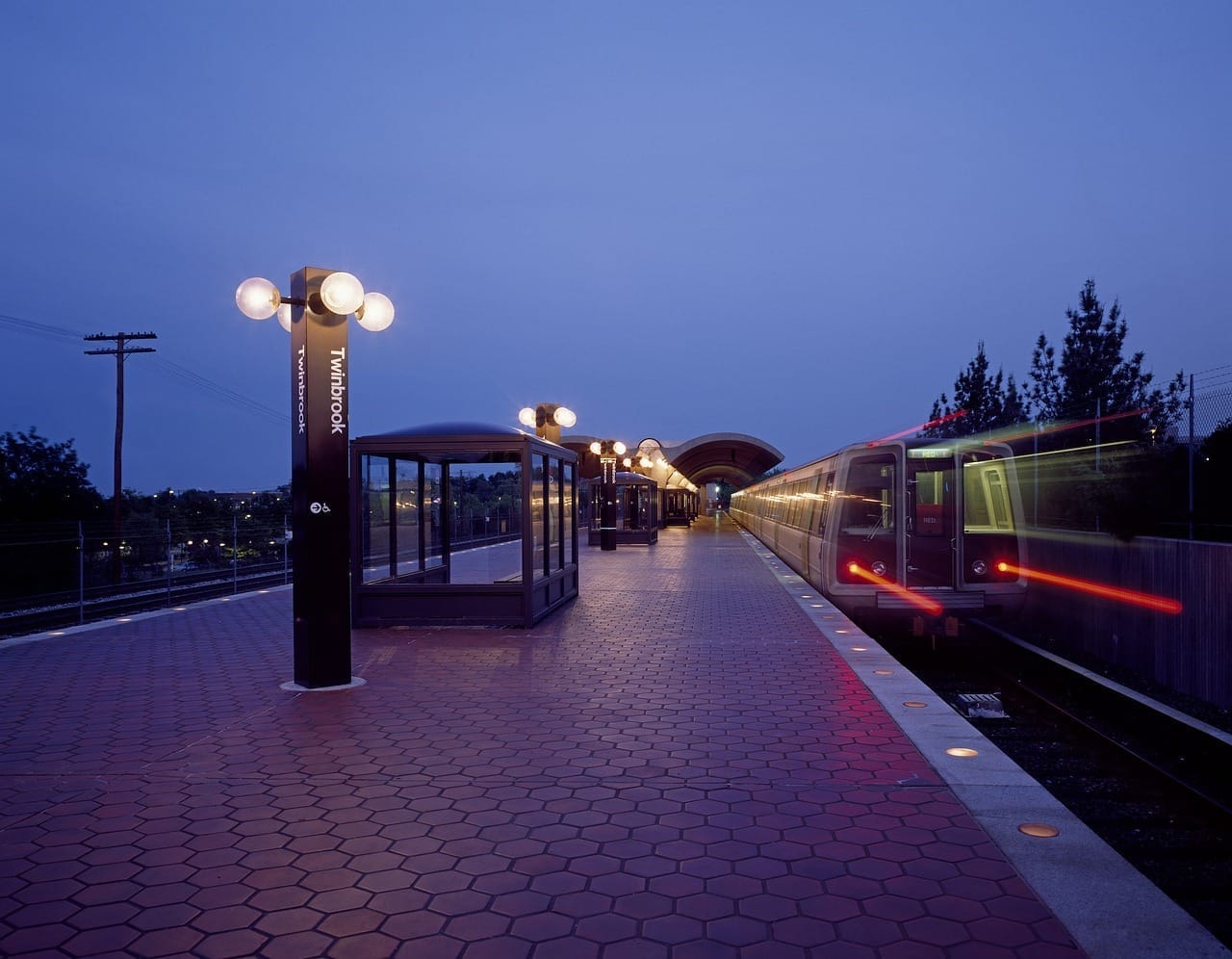
Maryland commuters also benefit from the state's investment in transit infrastructure. MARC trains connect multiple Maryland regions to Union Station, while Metro extends into Montgomery County.
These aren't just backup options—they're often superior to driving, offering reliability, comfort, and the freedom to read, work, or simply relax during your journey.
The key to mastering Maryland commuting is understanding that each route requires a different strategy and mindset.
The techniques that work for highway commuting don't necessarily apply to train travel, and what serves you well during summer months might need adjustment when winter weather affects Bay Bridge crossings.
Maryland commuting rewards flexibility, local knowledge, and realistic expectations. Once you understand your corridor's unique characteristics and develop backup plans accordingly, you'll discover that getting from Maryland suburbs to downtown DC can actually be one of the more manageable commutes in the region.
Want to learn more about mastering your commute?
If you’re commuting in Maryland to DC, Master Your Commute gives you practical tips to take control of your time—whether you drive, slug, or take the train.
Grab your copy today and make every mile count.

Meet Rico Reed
Hello, I'm Rico. I launched this blog in 2025 in the hopes that it will help you on your daily journeys within the NCR.
TRANSLATE
LATEST POSTS
© 2025 Rico Reed - All Rights Reserved
Terms | Privacy | Disclaimer