DC Residents: You Have the Commuting Advantage (If You Know How to Use It)

Living and working in Washington DC puts you at the center of one of the country's most comprehensive transportation networks—if you know how to leverage it.
While your suburban counterparts battle highway traffic for hours, you have access to six Metro lines, extensive bus networks, bike-share systems, walkable neighborhoods, and the ultimate commuting luxury: the possibility of living close enough to work that your biggest transportation decision is whether to walk or take a short Metro ride.
The secret to mastering DC commuting as a resident isn't just about knowing the transit system—it's about understanding the city's unique rhythm and matching your transportation choices to your lifestyle and work requirements.
The Hill staffer who lives in Capitol Hill and walks to work has mastered commuting in a completely different way than the nonprofit professional in Dupont Circle who takes Metro to meetings across the city, or the federal contractor in Navy Yard who bikes along the Anacostia Riverwalk.
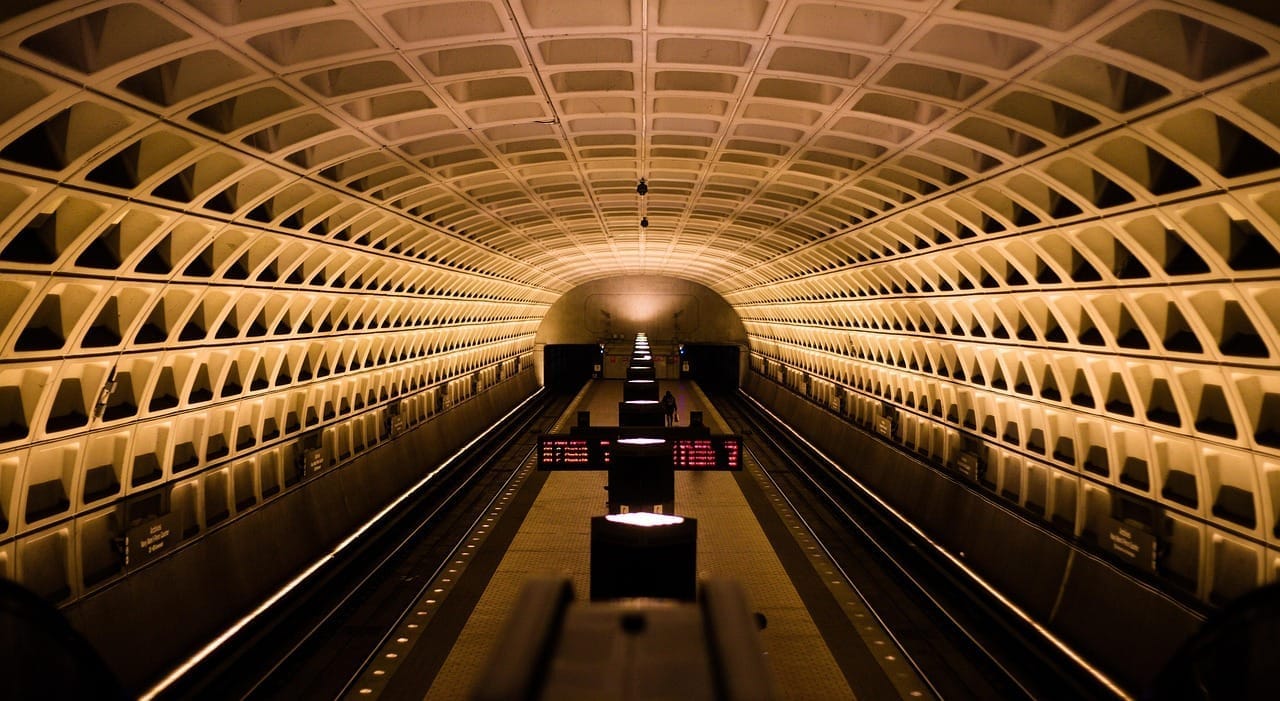
What DC residents often overlook is how much control they have over their commuting experience through strategic neighborhood and job choices. Living near a Metro station isn't just convenient—it's life-changing.
The difference between a 15-minute Metro commute and a 45-minute drive through DC traffic represents hours of reclaimed time weekly that can be spent on relationships, hobbies, or simply arriving at work relaxed instead of stressed.
DC's walkability creates commuting opportunities that simply don't exist in most cities. The lawyer who walks from Georgetown to downtown, the consultant who bikes from Eastern Market to L'Enfant Plaza, or the government employee who takes a short Metro ride from Cleveland Park to Dupont Circle—these aren't just commutes, they're lifestyle choices that eliminate many of the stresses that suburban commuters face daily.
The key to DC resident commuting success is embracing multimodal thinking. Your optimal transportation method might change based on weather, meeting locations, or even your energy level on a given day.
Maybe you walk on beautiful days, Metro during bad weather, and bike when you need the exercise. This flexibility is your competitive advantage.

Even parking challenges become manageable when you shift your mindset from car-dependent to car-optional living.
Instead of viewing limited parking as a frustration, you start seeing it as motivation to use the excellent public transit, walking, and biking infrastructure that your tax dollars have created.
DC residents who master their commute don't just save time and money—they often discover they enjoy getting around the city, turning daily transportation from a chore into an opportunity to engage with one of America's most dynamic urban environments.
If you’re commuting in Maryland to DC, Master Your Commute gives you practical tips to take control of your time—whether you drive, slug, or take the train.
Grab your copy today.

Meet Rico Reed
Hello, I'm Rico. I launched this blog in 2025 in the hopes that it will help you on your daily journeys within the NCR.
TRANSLATE
LATEST POSTS
© 2025 Rico Reed - All Rights Reserved
Terms | Privacy | Disclaimer